



The integrity assessment of atmospheric storage tanks is one of the most critical processes within asset management in industrial plants. EEMUA 159, published by the Engineering Equipment and Materials Users Association, constitutes one of the primary technical reference guides for the inspection, integrity assessment, maintenance, and repair of flat-bottomed vertical steel atmospheric tanks. EEMUA 159 […]
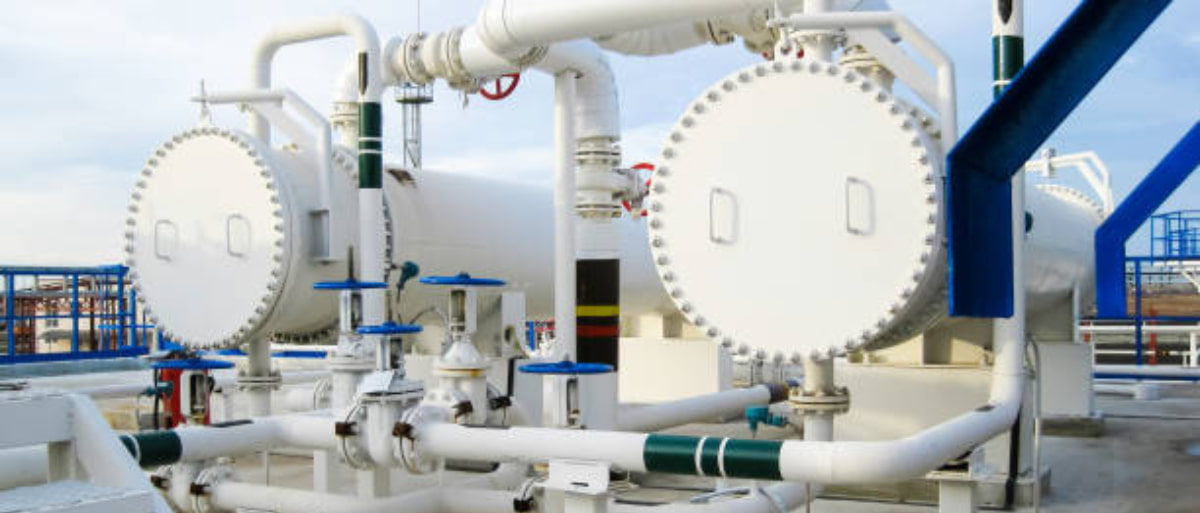
In industrial thermal engineering practice, shell and tube heat exchangers constitute one of the most versatile and widespread pieces of equipment for heat transfer between process streams. Their presence is dominant in refineries, chemical and petrochemical plants, power generation facilities, and numerous continuous process installations. Based on our experience in design, operations, and technical training, […]
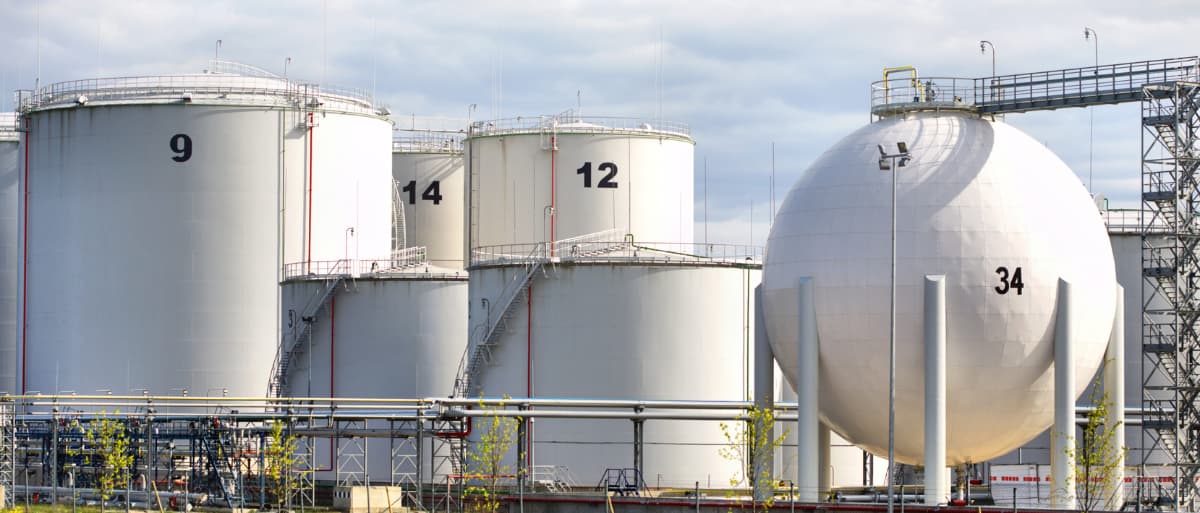
In the field of industrial facility engineering, atmospheric storage tanks constitute one of the most critical and, simultaneously, most regulated assets. Two of the most widely used international standards for vertical welded steel tanks are API 650 (American Petroleum Institute) and EEMUA 159 (Engineering Equipment and Materials Users Association). Although both share a common objective—ensuring […]
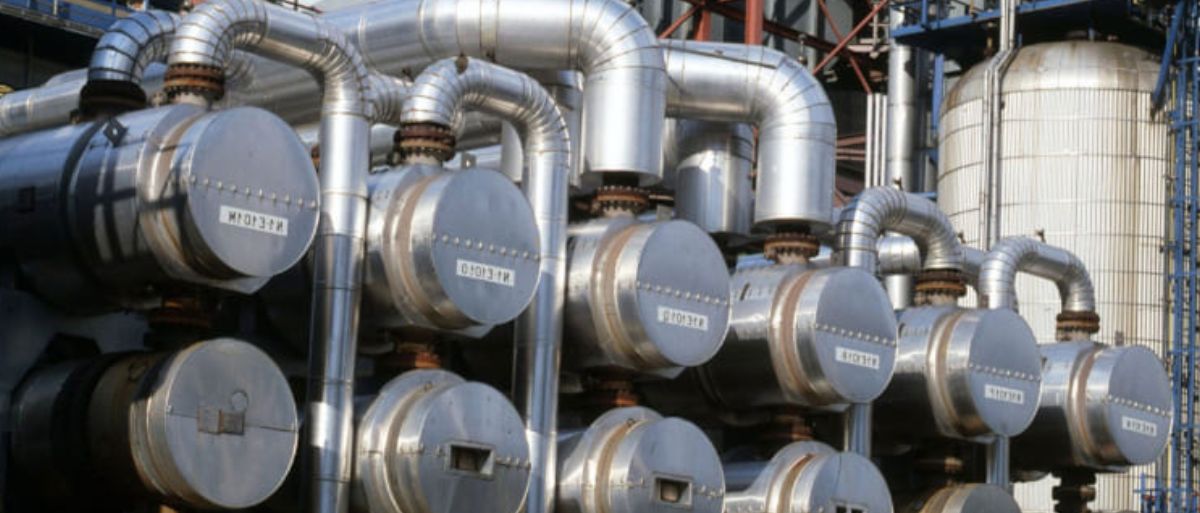
Heat Exchanger Design and Operation is one of the most complex and critical disciplines in process and mechanical engineering. These units are the heart of thermal management in any plant, from petrochemicals to power generation. Their function is straightforward (transferring heat between two fluids), but their design requires a bimodal mastery: thermal calculation for energy […]
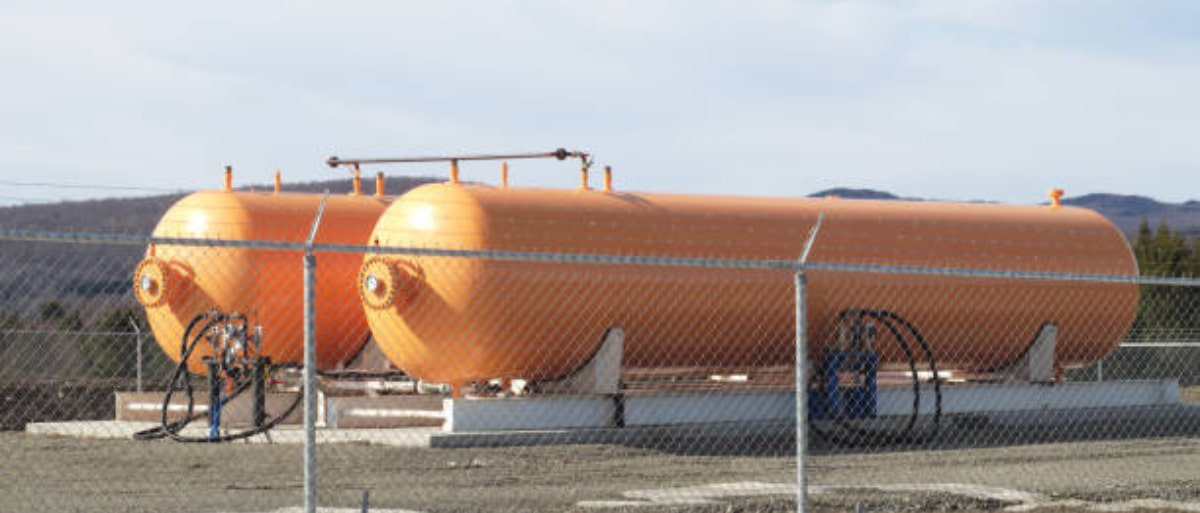
In the field of unfired pressure vessel design and fabrication, engineers frequently work under different regulatory frameworks. Among the most widely used international standards are EN 13445 vs ASME Section VIII Division 1, both of which establish requirements for the design, fabrication, inspection, and testing of pressure vessels. Despite sharing the same fundamental objective—ensuring safety […]
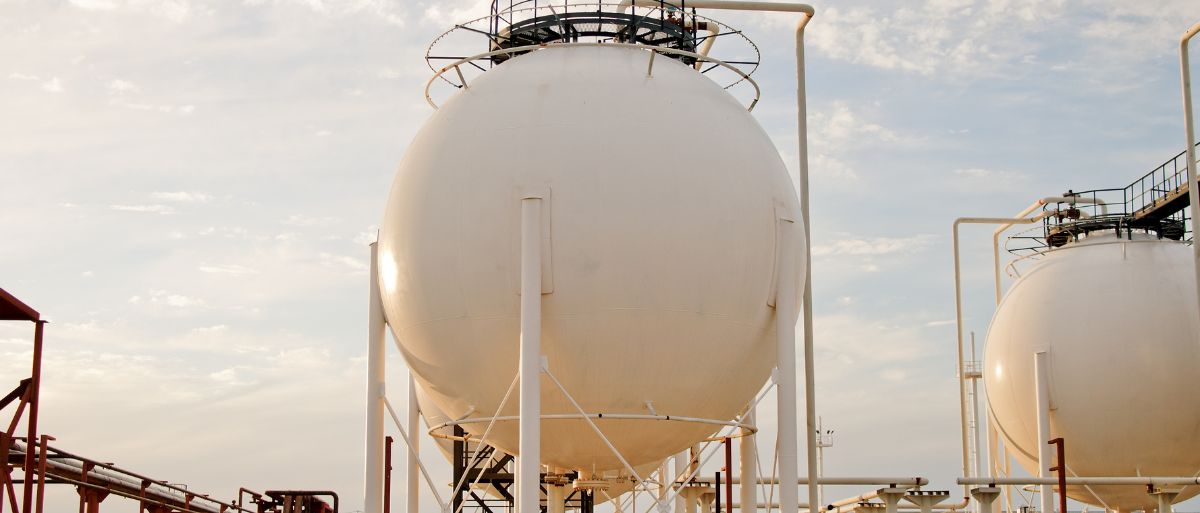
In the field of mechanical design for pressure vessels, selecting the appropriate applicable code is a critical factor to ensure structural safety, operational efficiency, and resource optimization. Within the Boiler and Pressure Vessel Code (BPVC), Section VIII establishes the criteria for the design, fabrication, inspection, and testing of industrial pressure vessels. This section is divided […]
 WhatsApp