


EN 13445 vs ASME VIII Div. 1: Comparison in Pressure Vessel Design
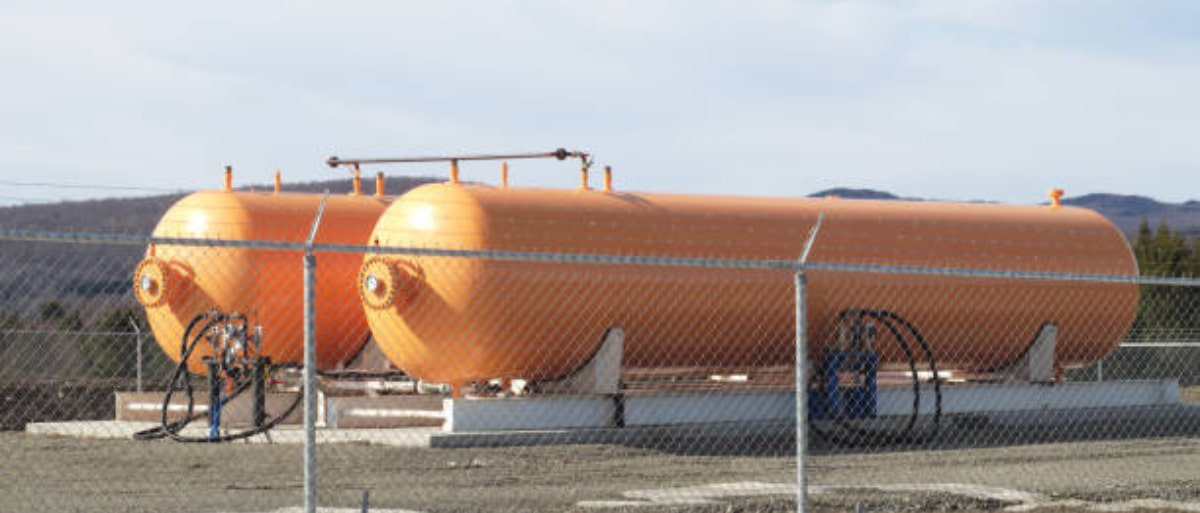
In the field of unfired pressure vessel design and fabrication, engineers frequently work under different regulatory frameworks. Among the most widely used international standards are EN 13445 vs ASME Section VIII Division 1, both of which establish requirements for the design, fabrication, inspection, and testing of pressure vessels. Despite sharing the same fundamental objective—ensuring safety and structural integrity—the technical and regulatory approaches of EN 13445 vs ASME Section VIII Division 1 differ significantly, resulting in notable differences in calculation methods, material selection, fabrication requirements, and inspection criteria.
Regulatory framework and scope of application
From a regulatory perspective, one of the most relevant differences lies in legal enforceability. ASME Section VIII Div. 1 is not legally mandatory outside North America, although it is widely used internationally due to its global recognition and its integration with other standards such as API or ANSI. For this reason, it is commonly applied in oil and gas, petrochemical, and power generation projects across the Americas, the Middle East, and Asia.
By contrast, EN 13445 is aligned with the Pressure Equipment Directive (PED 2014/68/EU), making it a key code for obtaining CE marking. In practice, this means that any pressure vessel placed on the European market must comply with the PED requirements, and EN 13445 has been specifically developed to comprehensively address them.
Design philosophy: allowable stress versus limit state
Design philosophy represents a fundamental difference in the structural approach of both codes. ASME VIII Div. 1 is primarily based on Design by Rules (DBR) using the Allowable Stress Design (ASD) criterion. Although it includes some provisions for design by analysis, its overall approach remains conservative and prescriptive.
EN 13445, on the other hand, adopts a Limit State Design (LSD) philosophy, combining design by rules with a stronger promotion of Design by Analysis (DBA). This approach allows for more optimized designs, particularly for complex geometries or demanding loading conditions, provided that they are properly justified through analysis.
Material selection and conformity assessment
Under ASME VIII Div. 1, material selection is restricted to those listed in ASME Section II, Part D. Although the use of unlisted materials is permitted, it requires additional testing and approval processes. In practice, some European standardized materials require specific verification to be used under ASME rules.
EN 13445 relies on European standardized materials, such as those defined in EN 10028 or EN 10216, harmonized with the PED. When non-European materials are used, a Particular Material Appraisal (PMA) is mandatory, introducing a formal conformity assessment with the directive. This aspect is critical in European projects and must be considered from the early engineering stages.
Allowable stress calculation and its impact on design
Allowable stress calculation has a direct impact on the required thickness and, consequently, on the weight and cost of the equipment. ASME VIII Div. 1 applies higher safety factors, typically 3.5 times the ultimate tensile strength (UTS) for carbon steels, based on both UTS and yield strength.
EN 13445 uses lower safety factors, on the order of 2.4 times the UTS for most materials, resulting in higher allowable stresses. As a result, designs often achieve lower required thicknesses, provided that all design, fabrication, and inspection conditions specified by the code are satisfied.
Weld efficiency and non-destructive examination
Weld efficiency is another area where the approaches diverge. ASME VIII Div. 1 directly links joint efficiency to the level of radiographic examination (RT1 to RT4), which can significantly penalize the required thickness if reduced inspection levels are selected.
EN 13445 defines weld efficiency based on Test Groups (TG-1 to TG-4), provided that welding procedures and examinations comply with the applicable EN standards. In addition, EN 13445-5 introduces more stringent non-destructive examination criteria based on risk assessments and service conditions, reinforcing quality control during fabrication.
Inspection, testing, and welding
Both codes require mandatory hydrostatic testing, although with different coefficients: 1.3 times the MAWP in ASME and 1.25 times in EN 13445. EN 13445 also allows alternative testing methods based on risk assessments and material properties.
Regarding welding, ASME refers to ASME Section IX, while EN 13445 relies on the EN 15614 series and additionally requires approval by a Notified Body (NoBo) within the PED framework.
Practical considerations in industrial projects
From a practical standpoint, the differences between ASME Section VIII Division 1 and EN 13445 are directly reflected in engineering development, fabrication, and inspection of pressure vessels. Aspects such as design philosophy, safety factors, weld efficiency, and non-destructive examination requirements significantly influence final design outcomes.
For example, the use of higher allowable stresses in EN 13445, together with its limit state design approach, may lead to reduced thicknesses in certain applications, provided that the additional analysis, fabrication, and inspection requirements of the code are met. In ASME VIII Div. 1, the more prescriptive nature of design by rules and the dependence of joint efficiency on radiographic level more directly govern the required thickness.
Likewise, differences in standardized materials, welding procedures, inspection levels, and mandatory tests result in variations in technical documentation, quality plans, and traceability between both regulatory frameworks. These aspects must be properly understood and managed throughout the entire equipment life cycle to ensure compliance with the applicable code.
Conclusion
EN 13445 and ASME Section VIII Division 1 represent two well-established regulatory frameworks for the design and fabrication of unfired pressure vessels. Although both pursue the same objectives of safety and structural integrity, they differ significantly in design philosophy, calculation criteria, material requirements, welding, inspection, and testing.
Understanding these differences is essential to correctly interpret calculation results, fabrication requirements, and quality control obligations associated with each code. Solid technical knowledge of both approaches enables the development of engineering solutions aligned with the applicable regulatory framework and facilitates the successful execution of industrial projects in regulated environments.

 WhatsApp