

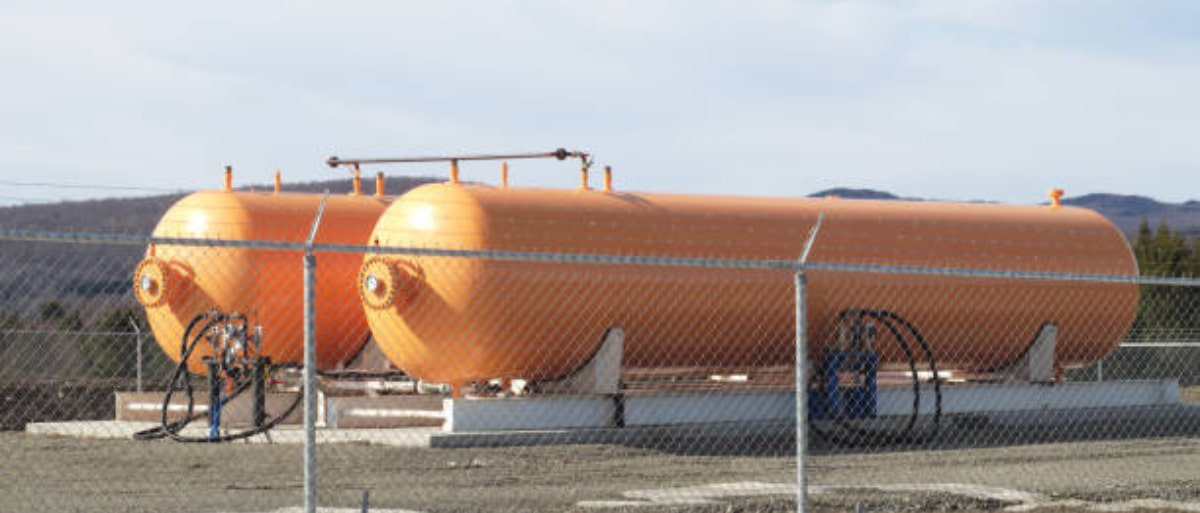
In the field of unfired pressure vessel design and fabrication, engineers frequently work under different regulatory frameworks. Among the most widely used international standards are EN 13445 vs ASME Section VIII Division 1, both of which establish requirements for the design, fabrication, inspection, and testing of pressure vessels. Despite sharing the same fundamental objective—ensuring safety […]
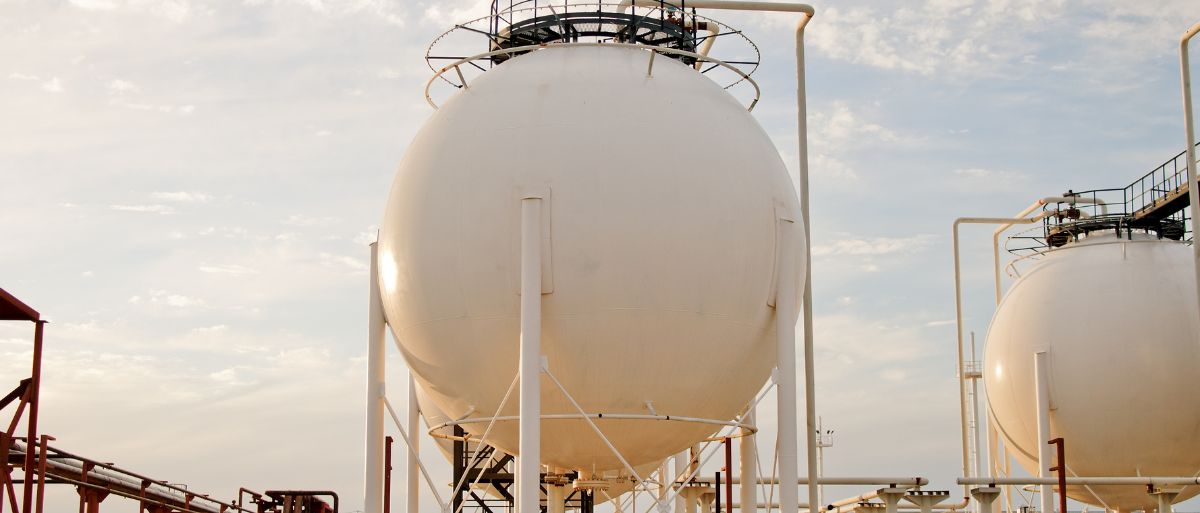
In the field of mechanical design for pressure vessels, selecting the appropriate applicable code is a critical factor to ensure structural safety, operational efficiency, and resource optimization. Within the Boiler and Pressure Vessel Code (BPVC), Section VIII establishes the criteria for the design, fabrication, inspection, and testing of industrial pressure vessels. This section is divided […]
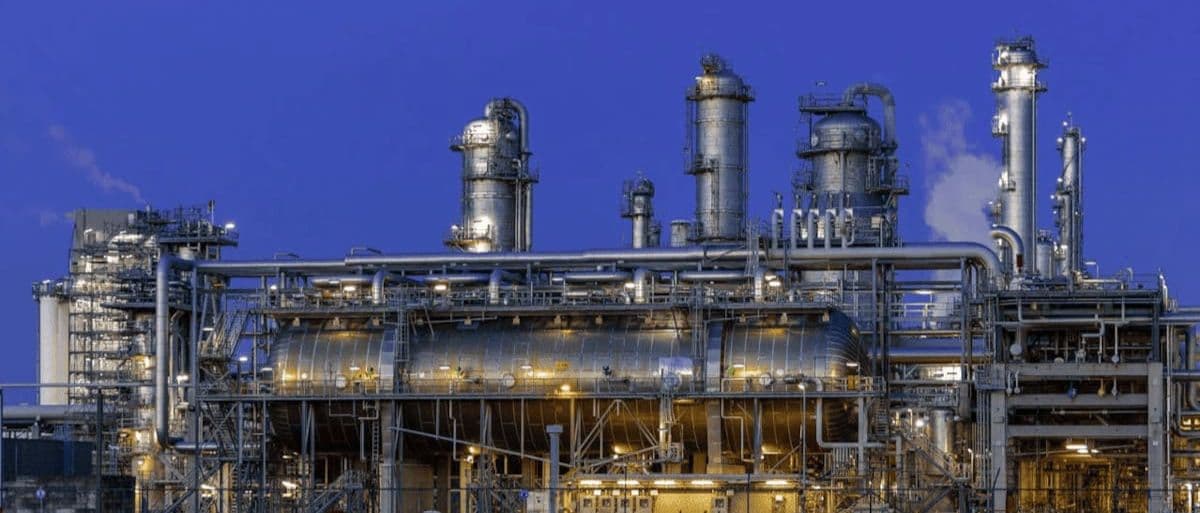
Pressure vessels are essential components in countless industrial processes — from petrochemical and energy sectors to pharmaceutical and food industries. These containers, designed to operate at pressures significantly different from atmospheric pressue, are critical for safely and efficiently storing and transporting fluids. Their structural integrity is not merely a matter of operability, but a fundamental […]
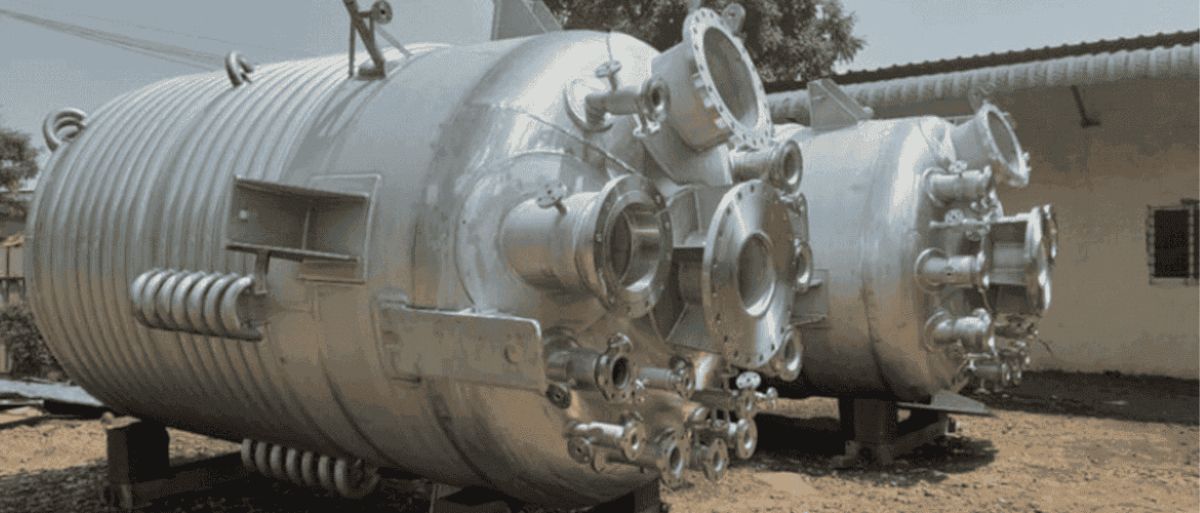
Design Codes for Pressure Vessels: EN 13445 vs AD 2000 are essential to understand when selecting the appropriate design code in pressure vessel engineering. Both comply with the Pressure Equipment Directive (PED 2014/68/EU), but differ in philosophy, materials, and technical requirements. Understanding these differences enables safer, more efficient, and regulation-aligned decisions. EN 13445 vs AD […]
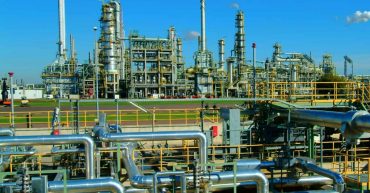
In the design of industrial plant piping interconnection, the proper integration between pieces of equipment is one of the most critical and complex tasks faced by piping engineers. It not only directly impacts operational efficiency, but also has a significant influence on construction, maintenance, and safety costs. The Importance of Piping Interconnection Design in Industrial […]

Wet H2S damage is a phenomenon affecting materials in a variety of industries, especially those related to oil and gas, refining, and chemical processing. This gas, in its liquid form combined with water, known as “Wet H2S”, represents a significant challenge for material selection, due to its ability to accelerate corrosion and embrittlement of metallic […]
 WhatsApp